
What a Landscape Designer Can Do to Transform Your Yard
Transforming a yard into a beautiful, functional space takes more than planting a few flowers or installing a small patio. Outdoor environments require thoughtful planning, strategic placement of features, and an understanding of how nature interacts with architecture. While homeowners may have a vision of what they want, bringing that vision to life in a way that is practical, cohesive, and lasting often demands professional experience. A landscape designer has the skills needed to turn ideas into reality, creating outdoor spaces that improve comfort, usability, and curb appeal. With expert guidance and a tailored plan, even the most ordinary yard can evolve into a welcoming retreat that reflects the personality of the home and those who live in it.
Enhancing How the Space Works for Your Lifestyle
One of the first responsibilities of a landscape designer is to make sure the yard supports everyday life. Homeowners use their outdoor spaces differently—some want expansive play areas for children, while others prefer quiet corners for reading or social gatherings around a fire pit. By understanding how a family lives, a designer can plan purposeful zones that serve multiple needs and promote comfort throughout the year.
Site evaluations are a critical starting point. Designers assess sunlight exposure, soil conditions, drainage patterns, and property access points. They look at how people naturally move from the home to the outdoors to determine where gathering spaces, walkways, and recreational areas should be placed. These insights help ensure that the layout feels intuitive rather than cluttered or disconnected, encouraging everyone to enjoy the yard more frequently.
A landscape designer also focuses on the long-term use of the yard. This means accounting for future installations a homeowner may want, such as a pool, deck expansion, or garden beds that will fill in over time. Planning for growth prevents the need for costly redesigns later. They also anticipate how shade trees will mature, how foot traffic might change, and how storage needs could evolve. The overall goal is to make the yard more functional while still retaining and enhancing its natural character, ensuring it remains a space that adapts as life changes.
Creating a Cohesive Appearance That Boosts Property Value
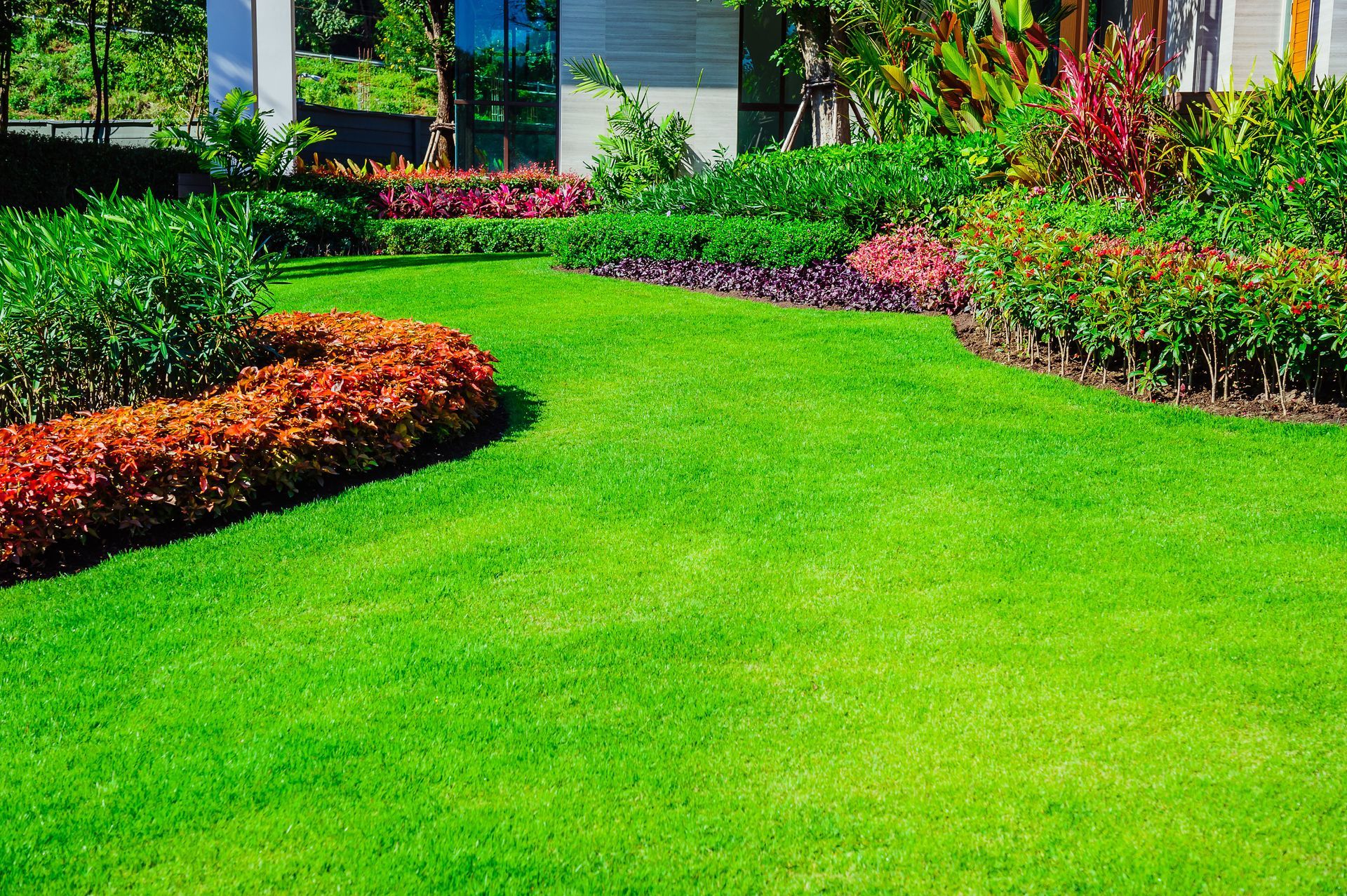
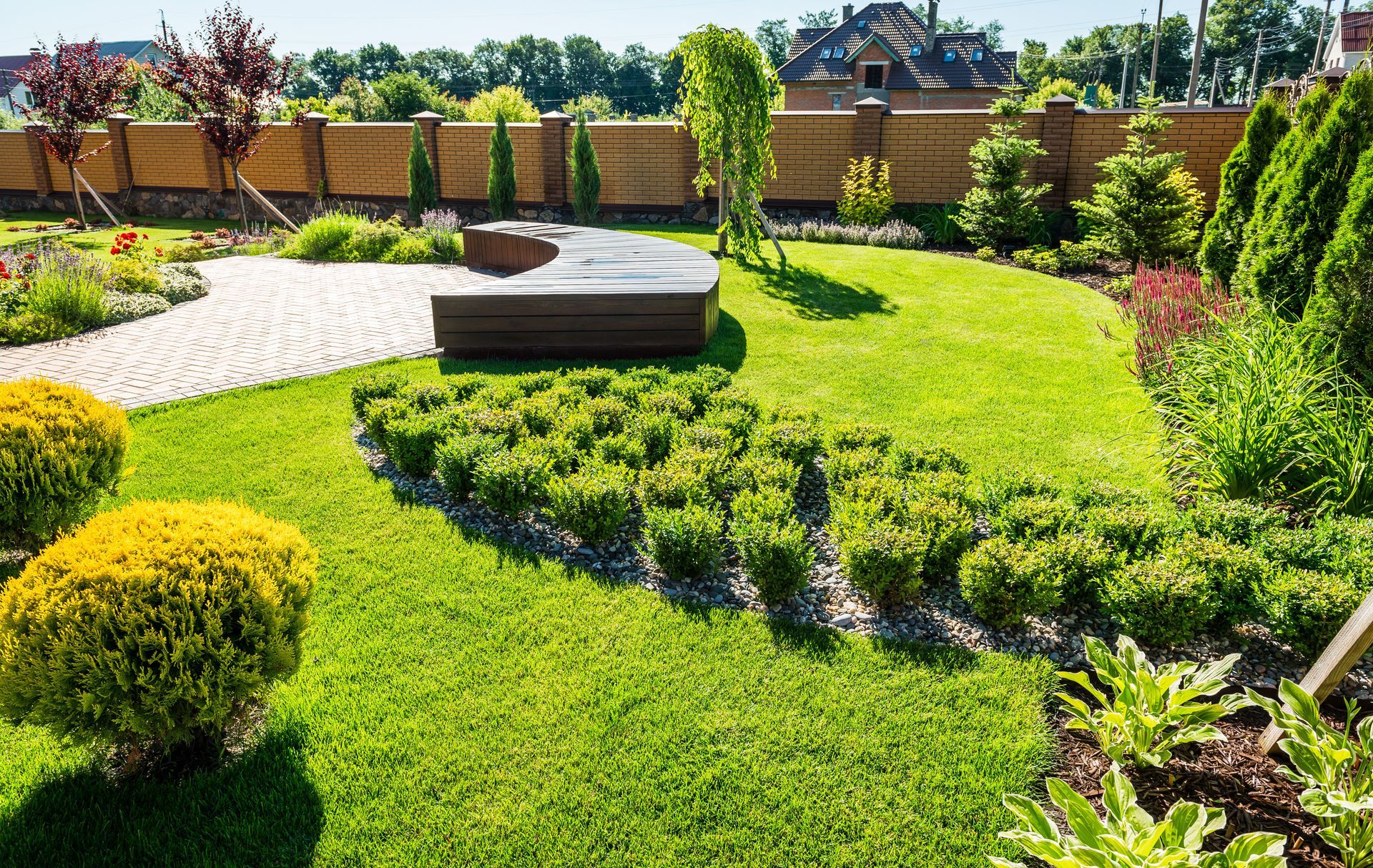
Visual harmony is another strength a landscape designer brings to a project. A yard should complement the architectural style of the home and the natural surroundings. Designers use color, texture, shape, and height to create balanced compositions that draw attention to focal points while keeping the space unified.
When well-executed, landscaping upgrades can be a major contributor to resale value. According to Bob Vila, well-planned landscape design can boost a home’s value by as much as 20%. This is because potential buyers are increasingly drawn to homes with outdoor living features that feel move-in ready. Even small enhancements—such as lighting, accent stones, or decorative planters—can elevate a yard from basic to memorable.
A landscape designer can also help homeowners define their personal style outdoors. Whether they prefer modern minimalism with clean lines, a rustic cottage look with flowering borders, or lush tropical greenery, designers create a visual theme that feels consistent throughout the property. They make informed lighting choices to highlight architectural elements and develop pathways that guide the eye naturally through the space. These creative touches turn the yard into an extension of the home’s character rather than a disconnected patch of land.
Selecting Plants That Thrive and Stay Beautiful
Planting decisions can make or break the success of a landscape. A landscape designer understands local climate requirements, seasonal shifts, and maintenance challenges that many homeowners may overlook. Instead of selecting plants solely based on appearance, they choose species that will thrive in the soil composition and sun exposure present on the property.
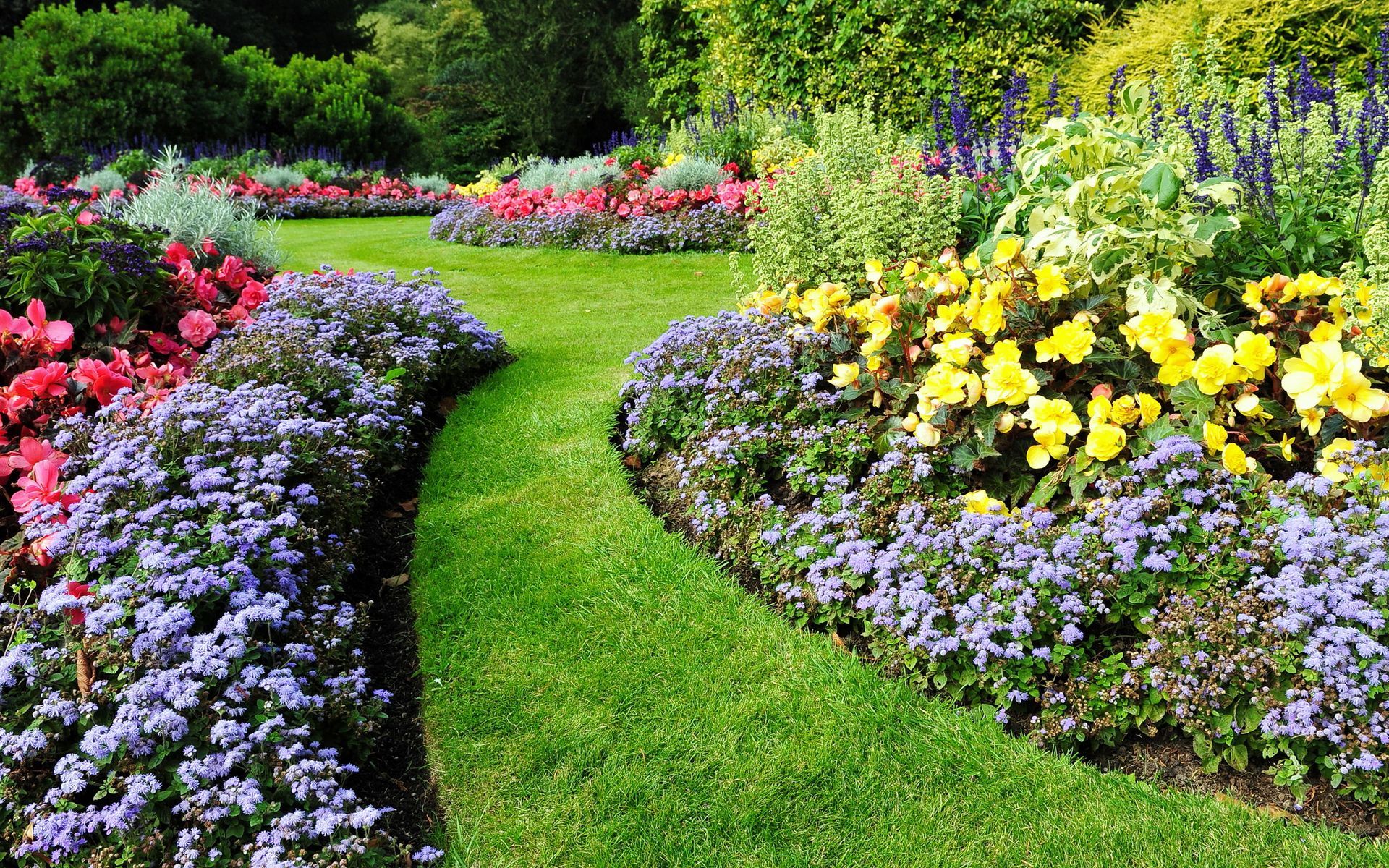
Designers also build in year-round visual interest. They incorporate a balance of evergreen shrubs, flowering plants, ornamental grasses, and trees so the yard maintains appeal through every season. They use varying heights and textures to add depth and structure, transforming flat spaces into layered living canvases.
Maintenance level is another key consideration. While some homeowners enjoy actively tending gardens, others need low-care solutions due to time constraints. A landscape designer can group plants with similar watering and pruning requirements to make upkeep easier. They may also recommend native species that promote healthy ecosystems by attracting pollinators and resisting drought or pests.
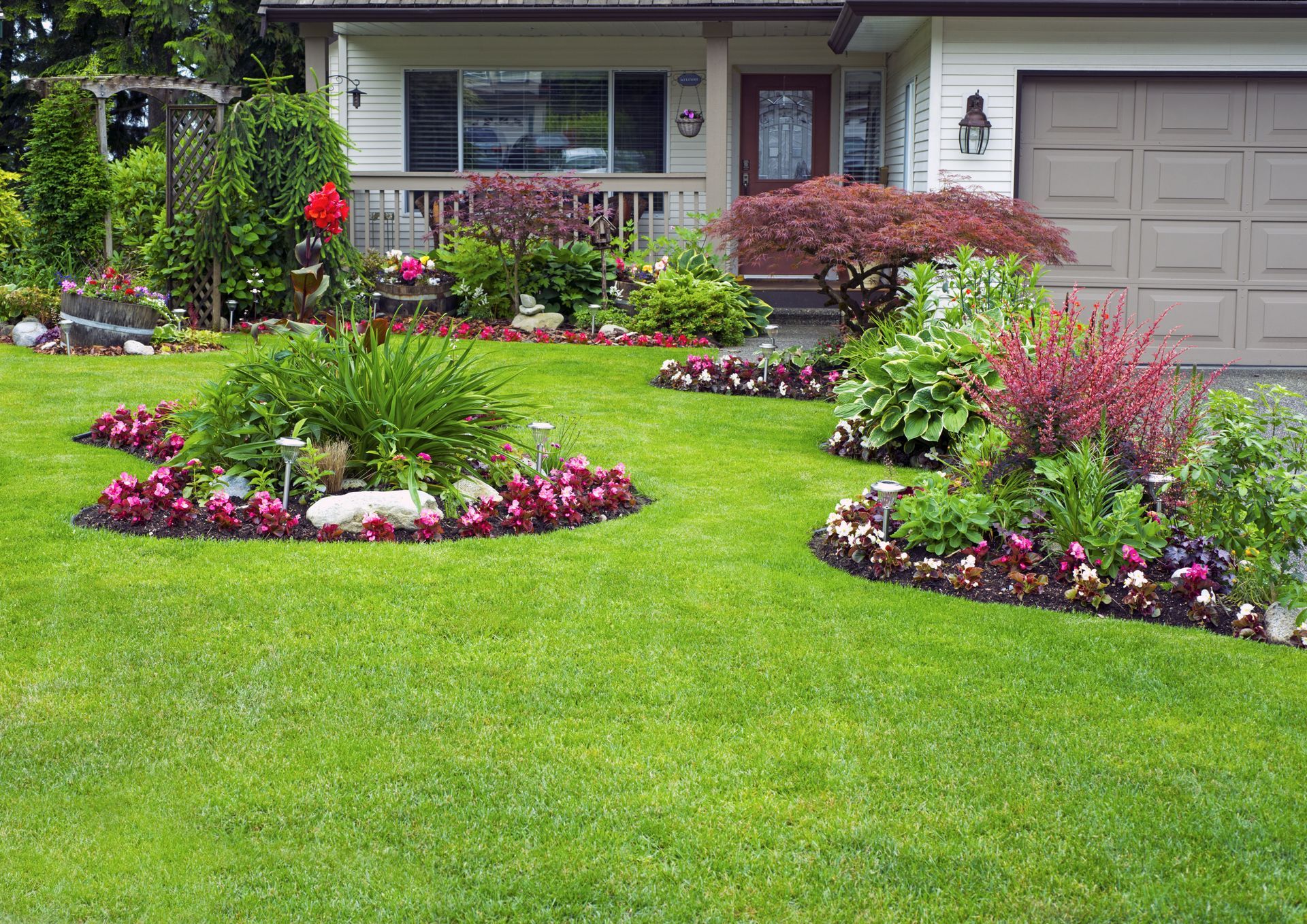
Placement matters just as much as selection. Trees are positioned to provide shade in summer and wind protection in colder months while being safely distanced from foundations and utilities. Shrubs are arranged to frame entryways without obstructing windows or pathways. Every plant serves a purpose, whether practical, aesthetic, or both.
Incorporating Hardscapes and Outdoor Living Features
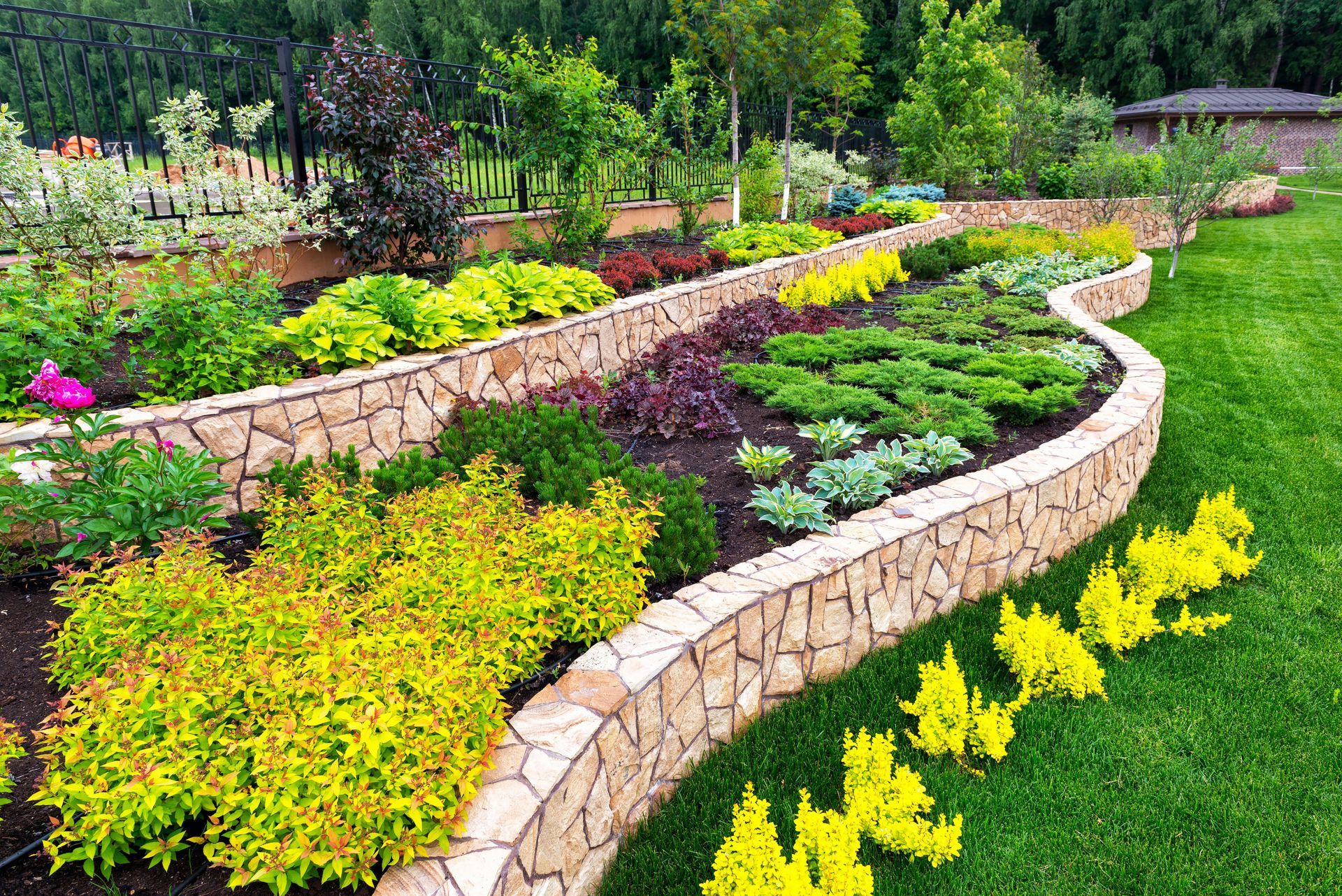
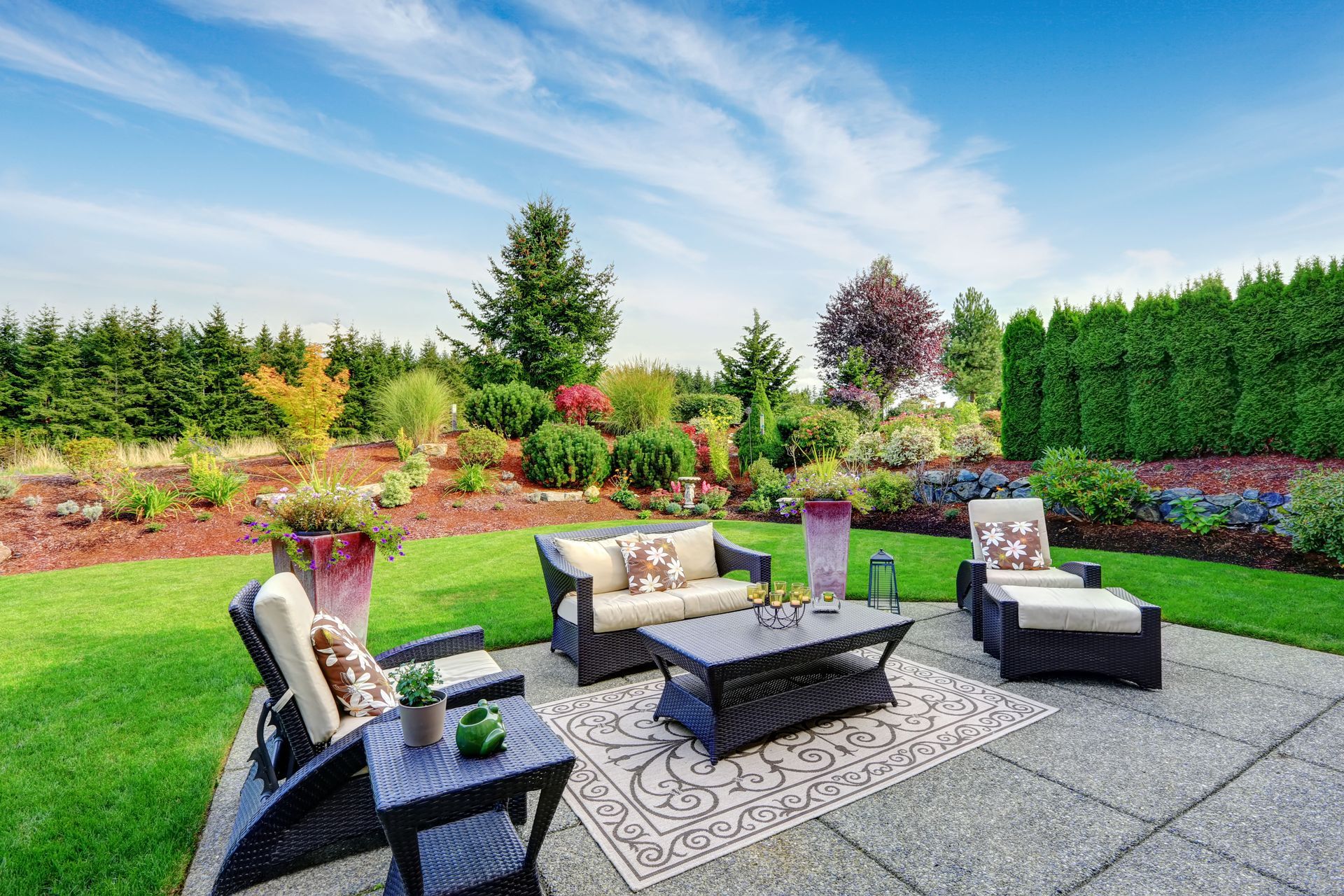
Modern landscapes often include structures and amenities that expand a home’s functionality. A landscape designer knows how to integrate hardscape elements—including patios, retaining walls, pergolas, fire pits, and outdoor kitchens—in ways that feel natural to the setting. These features make the yard more usable, especially for entertaining or relaxing.
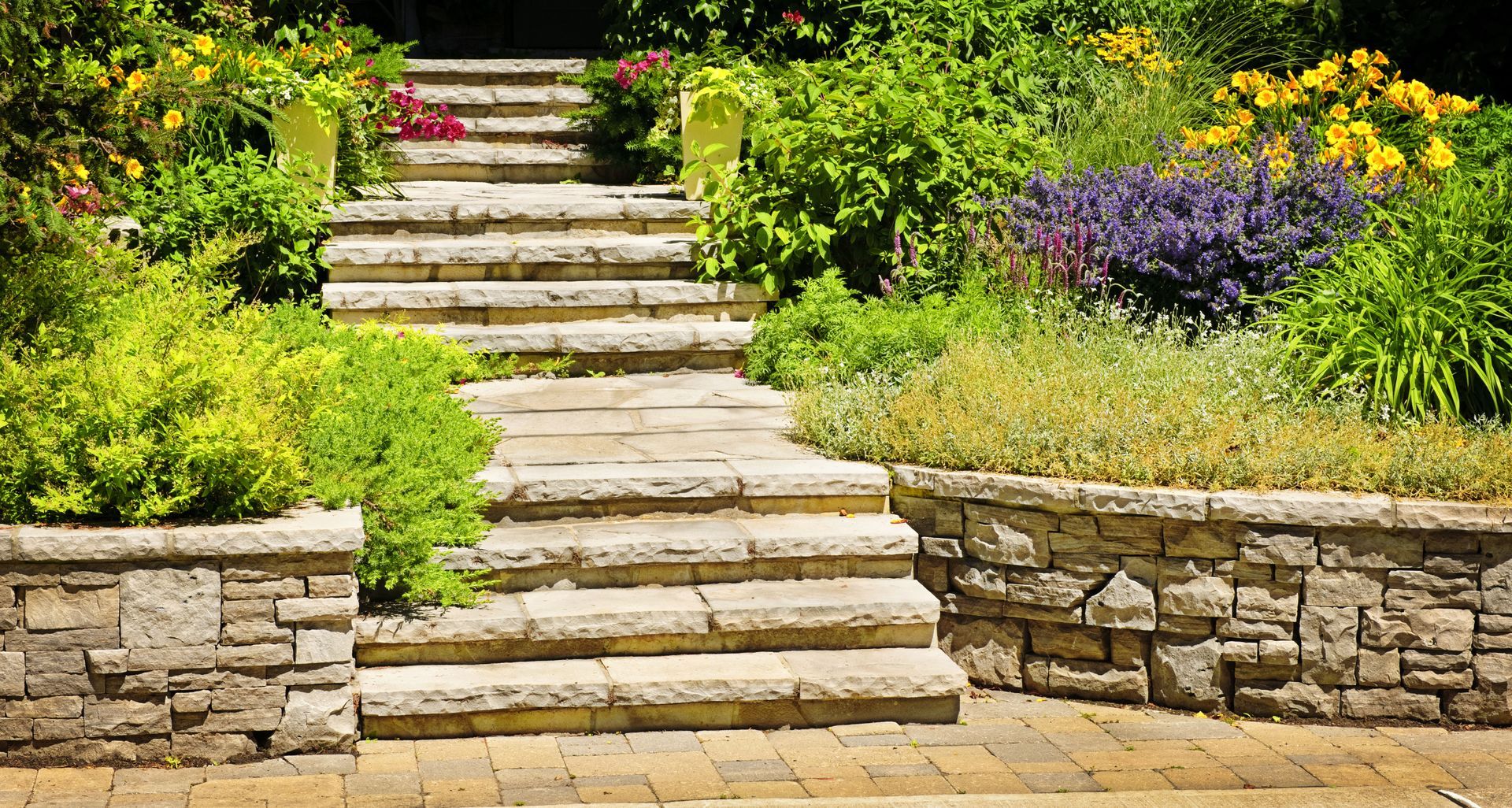
Outdoor living spaces can be tailored to fit a family’s habits. A designer may propose a cozy sitting area beneath a pergola for evening gatherings or recommend a stone walkway to connect high-traffic areas, reducing wear on the lawn. The design supports accessibility, too—smooth transitions between surfaces help all guests navigate safely.
Drainage and grading are often invisible but essential components of landscape functionality. Designers ensure patios, lawns, and garden beds sit at elevations that prevent pooling water or erosion. Thoughtful attention to these practical details protects the yard and home foundation from long-term damage.
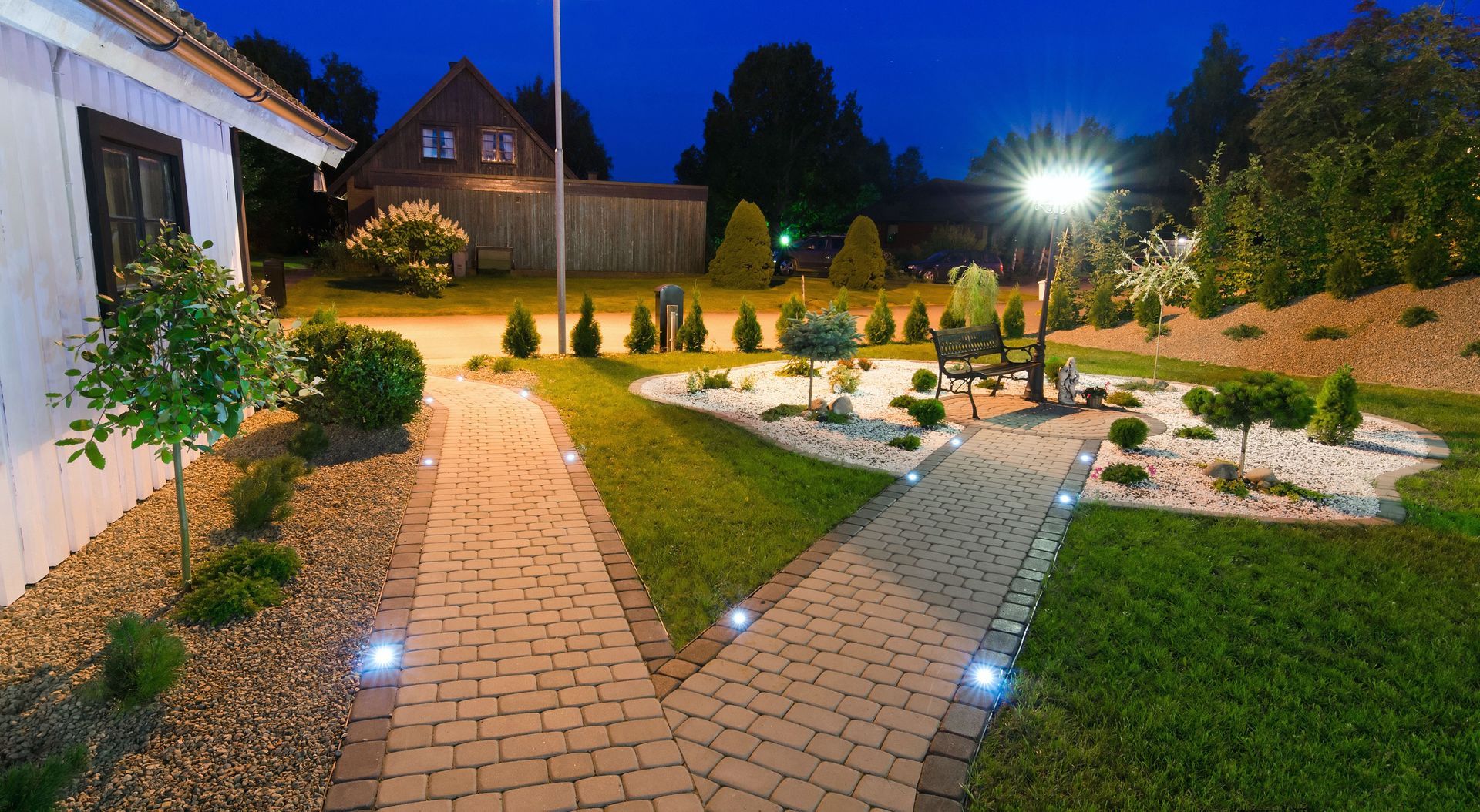
Lighting is another major part of outdoor enhancement. Strategic placement of low-voltage fixtures along walkways, plants, and architectural features improves safety and extends usability beyond daylight hours. A well-lit yard creates a warm atmosphere without overwhelming the scenery. By blending hardscapes with soft natural elements, a landscape designer creates a yard that feels like a complete, comfortable, and versatile living environment.
Supporting Sustainability and Long-Term Efficiency
Environmental responsibility is now a central part of modern design. A landscape designer helps homeowners make choices that support sustainability without compromising beauty or comfort. Smart irrigation planning—such as drip systems, zoned watering, and programmable controllers—reduces waste while maintaining plant health.
Designers also incorporate techniques that improve soil structure and reduce erosion, such as ground cover in sloped areas and well-placed retaining walls. Using permeable pavers allows rainwater to seep into the ground instead of overwhelming drainage systems, helping recharge groundwater and reduce runoff.
Plant selection again plays a role in sustainability. Native species tend to use less water, require fewer chemicals, and support local habitat restoration. Shade trees can lower indoor cooling costs by blocking harsh sun in summer, while windbreaks can reduce heating needs in winter.
Durability is a benefit of sustainability as well. When materials and plants are selected with longevity in mind, homeowners enjoy a yard that stands the test of time with fewer repairs and replacements.
A professional landscape designer brings together creativity, horticultural expertise, and construction knowledge to shape outdoor spaces that are both beautiful and functional. From improving property value and enhancing curb appeal to supporting sustainability and lifestyle needs, designers take a comprehensive approach that homeowners cannot easily replicate alone. The result is a transformed yard that feels intentional, comfortable, and truly personal—one that continues to evolve and provide joy year after year. Call John Jay Landscape Design & Construction Ltd today to schedule your landscape design consultation.
Share On: