
5 Ways Landscaping Can Create More Usable Outdoor Space
Residential properties often possess substantial acreage that remains underutilized due to uneven ground, poor circulation, dense overgrowth, or inadequate structural boundaries. Many homeowners look out at their yards and see pleasant green space, yet find themselves confined to indoor quarters because the exterior grounds lack the comfort and layout necessary for daily living. Transforming an ordinary yard into a series of functional open-air rooms requires a comprehensive understanding of spatial geometry, soil stability, environmental conditions, and long-term property planning.
When property owners collaborate with knowledgeable landscaping contractors, they uncover hidden opportunities across their land. Strategic planning helps bridge the gap between interior architecture and natural surroundings, converting steep inclines, neglected corners, and waterlogged turf into dynamic settings for dining, quiet relaxation, gardening, and personal gatherings. By examining how deliberate planning unlocks acreage, property owners can optimize their land for everyday use while establishing a harmonious, lasting balance between nature and constructed elements.
1. Correcting Problematic Grades to Maximize Level Ground
1.1 Resolving Complex Incline Challenges Through Terracing
Sloped ground often represents the largest percentage of unused property in residential neighborhoods. Steep inclines can render expansive yards completely impractical for seating, recreation, or pedestrian movement. Through thoughtful grading and structural terracing, seasoned landscaping contractors reshape difficult topographies into multiple descending or ascending horizontal tiers.
Each terrace provides a distinct flat plane that functions as an independent destination, such as an intimate lounge, a raised herb collection, or a stone dining terrace. This structural conversion stops topsoil displacement, improves footing, and transforms an unwalkable hillside into an inviting multi-tiered landscape that feels both deliberate and accessible.
1.2 Stabilizing Heavy Slopes With Structural Retaining Masonry
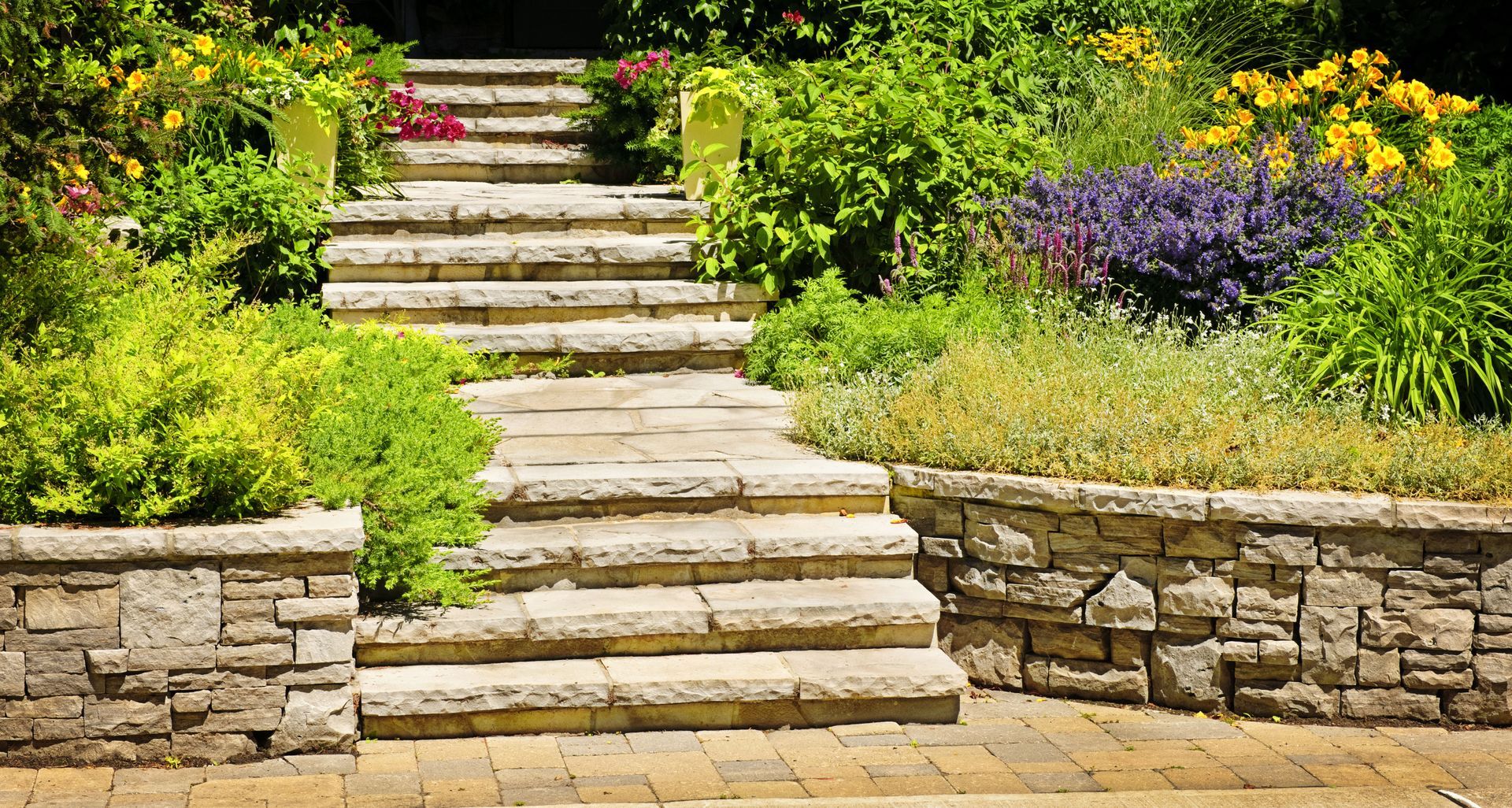
Terraced systems depend on robust structural support to counteract soil pressure and natural settling. Integrating stone retaining walls into an incline secures loose dirt, manages gravitational force, and creates crisp architectural lines across the grounds. Beyond their foundational engineering purpose, these custom masonry walls double as organic boundary markers that frame plantings and pathways. When designed with broad, flat coping stones along their upper edge, retaining walls provide secondary perimeter seating for family and visitors, eliminating the need to clutter newly established open-air rooms with excessive lawn furniture.
2. Constructing Durable Foundations for Daily Living
2.1 Establishing Functional Gathering Zones With Hardscape Patios
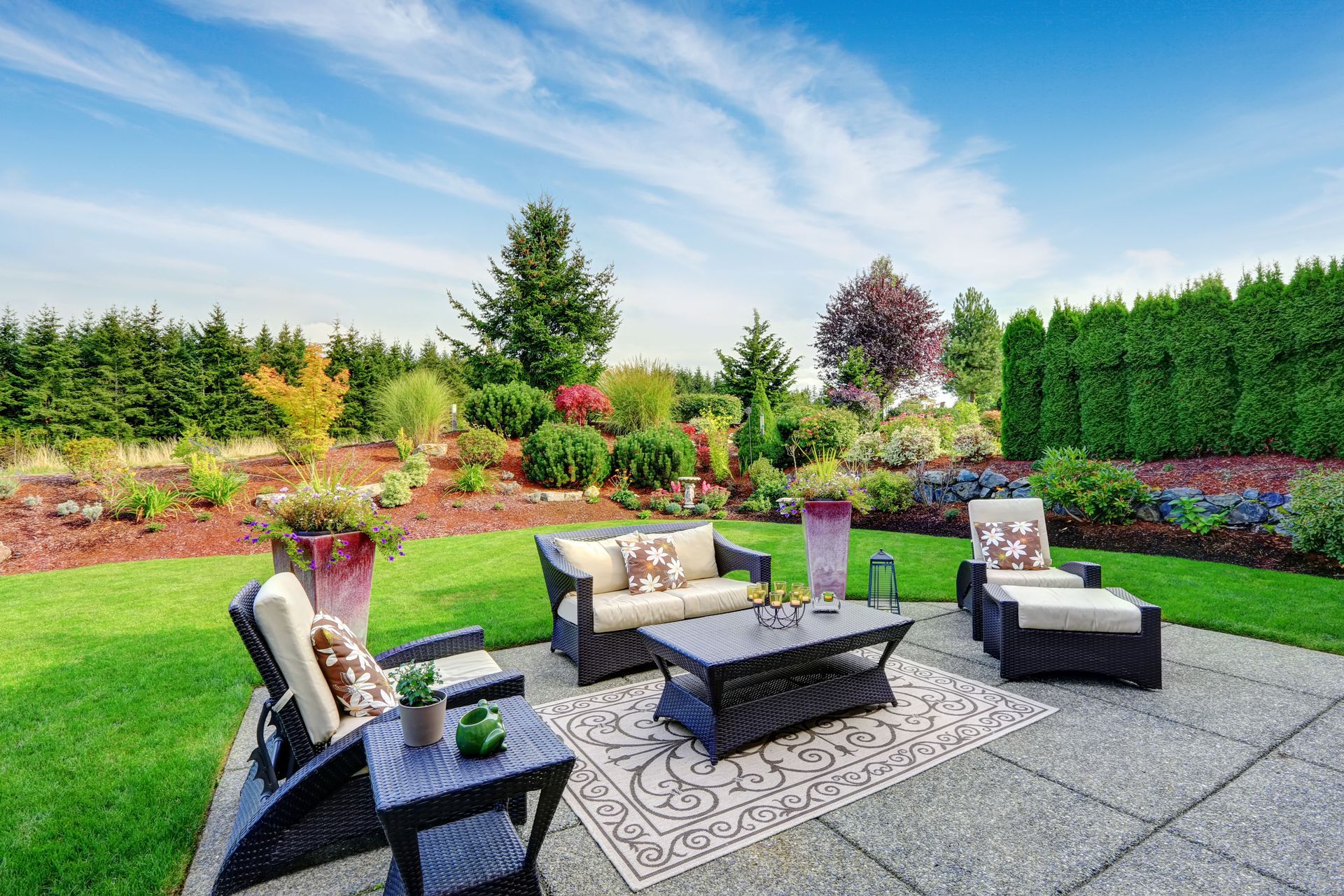
Lawn grass can be delicate, retaining moisture after rain and wearing thin under constant foot traffic. Establishing permanent, flat masonry surfaces provides the grounded stability necessary for outdoor sofas, dining tables, cooking equipment, and lounge chairs. By introducing natural stone pavers, bluestone flags, or decorative masonry surfaces, landscaping contractors create stable floors that mirror the flow of interior rooms. These constructed platforms make moving outside feel natural and effortless, turning open-air spaces into genuine extensions of the home's interior square footage.
2.2 Connecting Key Destinations With Natural Stone Walkways
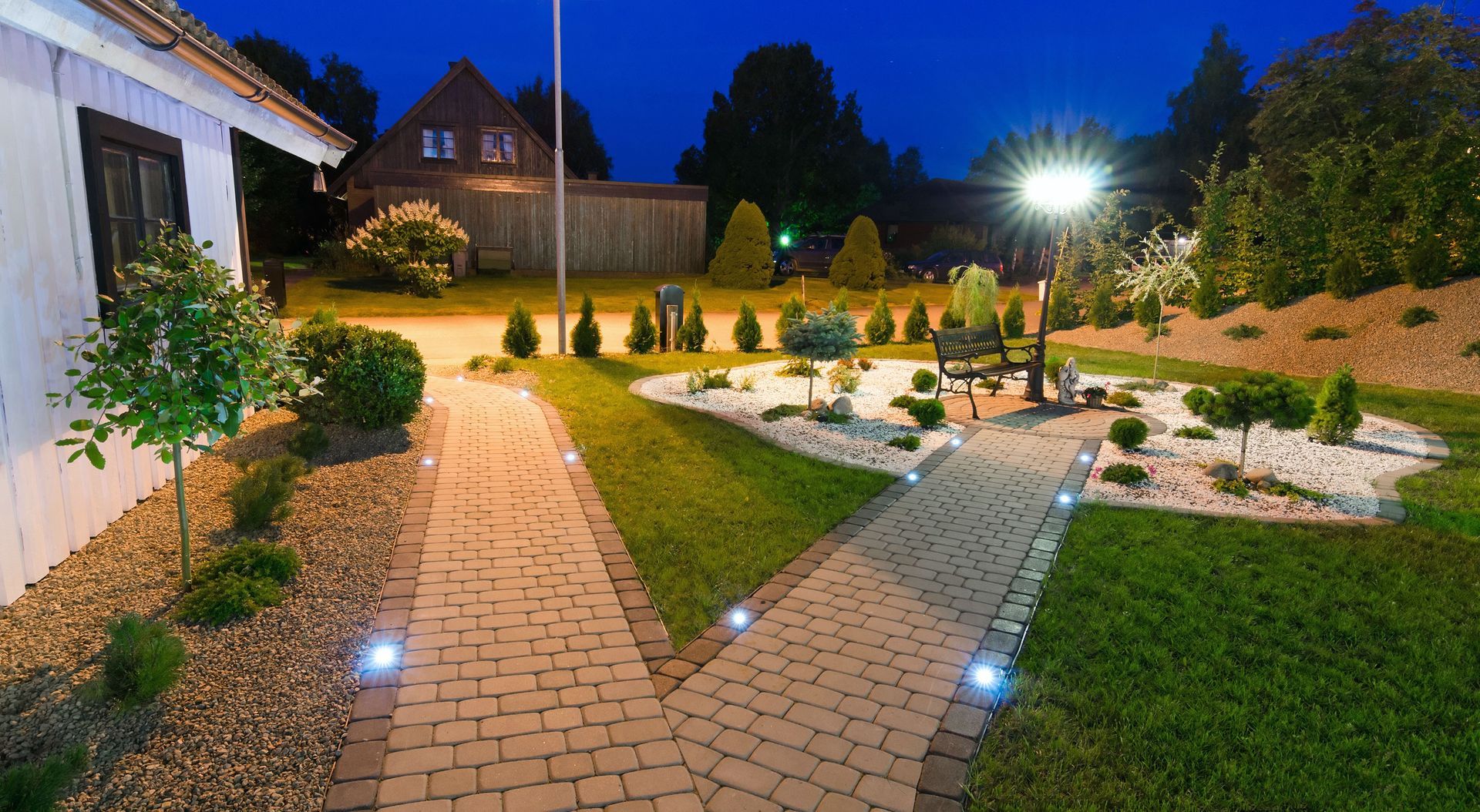
A yard remains underutilized when navigating between zones feels awkward or difficult. Installing curving stone walkways or straight flagstone corridors connects entryways, patios, gardens, and secondary retreats. Distinct pedestrian paths guide foot traffic safely across the property, protecting surrounding turf and planting beds from soil compaction. When walkways follow logical routes, they encourage household members to wander deeper into the property, ensuring that distant corners receive regular use rather than becoming forgotten, neglected pockets.
3. Mitigating Water Movement to Preserve Functional Land
3.1 Installing Below-Surface Drainage to Eliminate Standing Water
Excessive water accumulation quickly turns open turf into muddy, inaccessible ground after seasonal rainstorms. Poor runoff management can saturate turf, damage delicate root networks, cause foundation issues, and render prime ground unusable for days. Qualified landscaping contractors assess watershed behavior and soil conditions to implement subterranean drainage solutions, including subsurface catch basins, gravel-lined trench networks, and modern French drains. Removing standing water from low elevations preserves turf stability, eliminates muddy barriers, and ensures that patios, turf areas, and seating spaces dry quickly and remain ready for use.
3.2 Directing Water Flow Through Bio-Engineered Bioswales
Addressing surface runoff can also serve an aesthetic purpose through ecological engineering. Incorporating dry stream beds, river rock swales, and shallow wetland restoration corridors helps guide stormwater safely away from foundational structures and recreational living areas. These bio-engineered features slow water velocity, promote natural filtration into surrounding soil, and prevent topsoil erosion on active properties. By converting troublesome drainage swales into stony, river-like focal points lined with water-tolerant ornamental grasses, homeowners gain a beautiful garden asset that protects usable square footage.
4. Creating Dedicated Microclimates for Year-Round Enjoyment
4.1 Introducing Shade Canopies and Wind Screens With Plantings
Unfiltered sunlight and cold gusts often deter individuals from spending time in their yards during peak summer heat or brisk autumn afternoons. Careful placement of deciduous shade trees, evergreen windbreaks, and architectural plant screening helps temper harsh regional conditions. Deciduous trees offer refreshing open-air shade during warmer months, yet drop their leaves during winter to allow warming sunlight to reach masonry patios and adjacent windows. Experienced landscaping contractors position native specimen trees and layered shrub groupings to block wind tunnels, dampen street noise, and soften ambient outdoor temperatures, ensuring that exterior seating remains comfortable across a wider range of seasons.
4.2 Extending Evening Hours With Custom Low-Voltage Lighting
Functional outdoor property should not vanish the moment dusk arrives. Illuminating walkways, stone stairs, structural masonry, and tree canopies extends the usability of exterior amenities well into the evening hours. Downward-facing path fixtures secure safe foot travel along walkways, while low-profile uplighting accentuates plant textures and architectural facades. By outlining hardscape boundaries with balanced illumination, the perimeter feels open and inviting, encouraging evening dinners, nocturnal conversation, and peaceful late-night relaxation.
5. Fostering Intimate Retreats With Layered Privacy
5.1 Defining Visual Boundaries With Living Foliage Screens
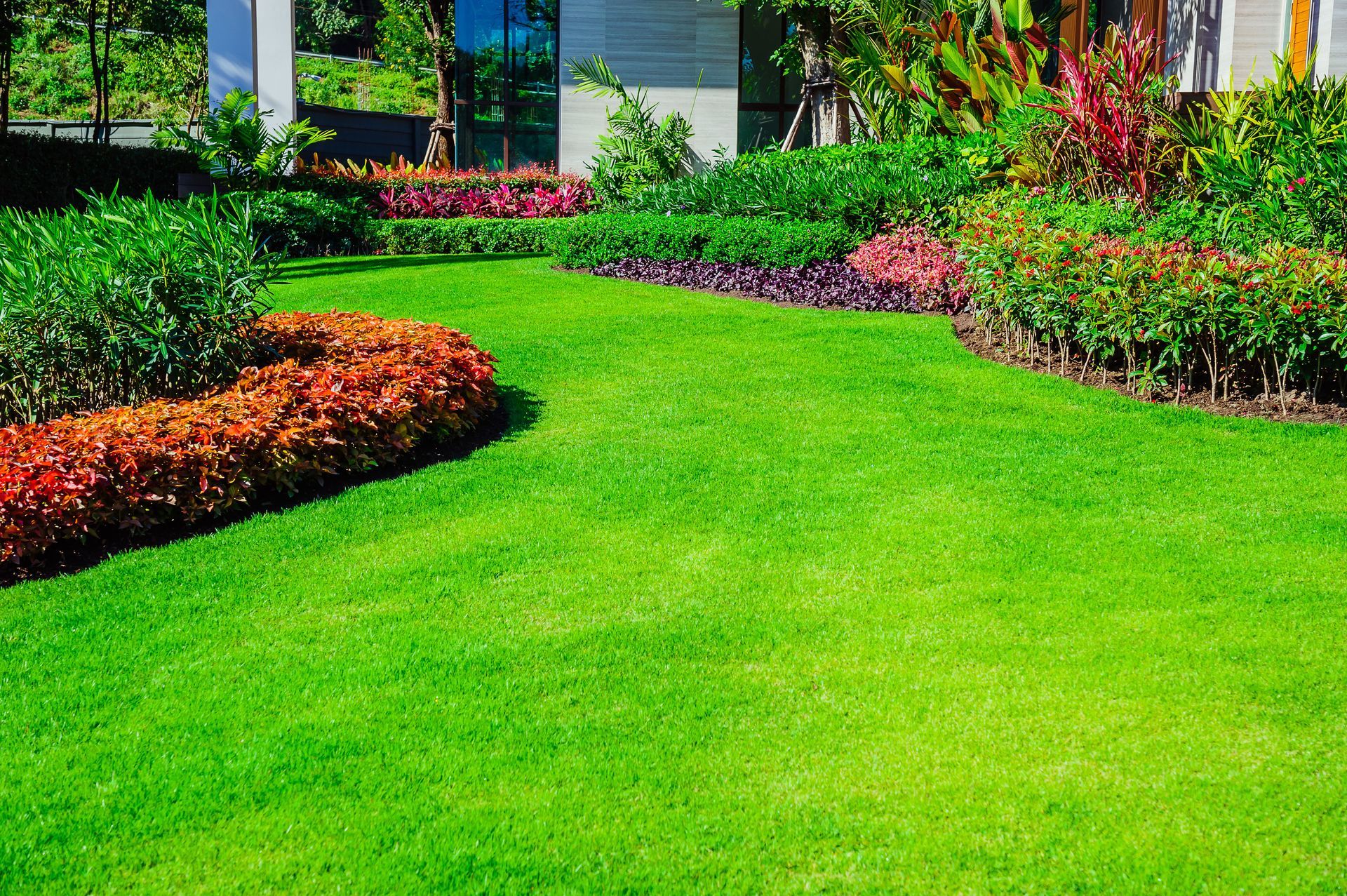
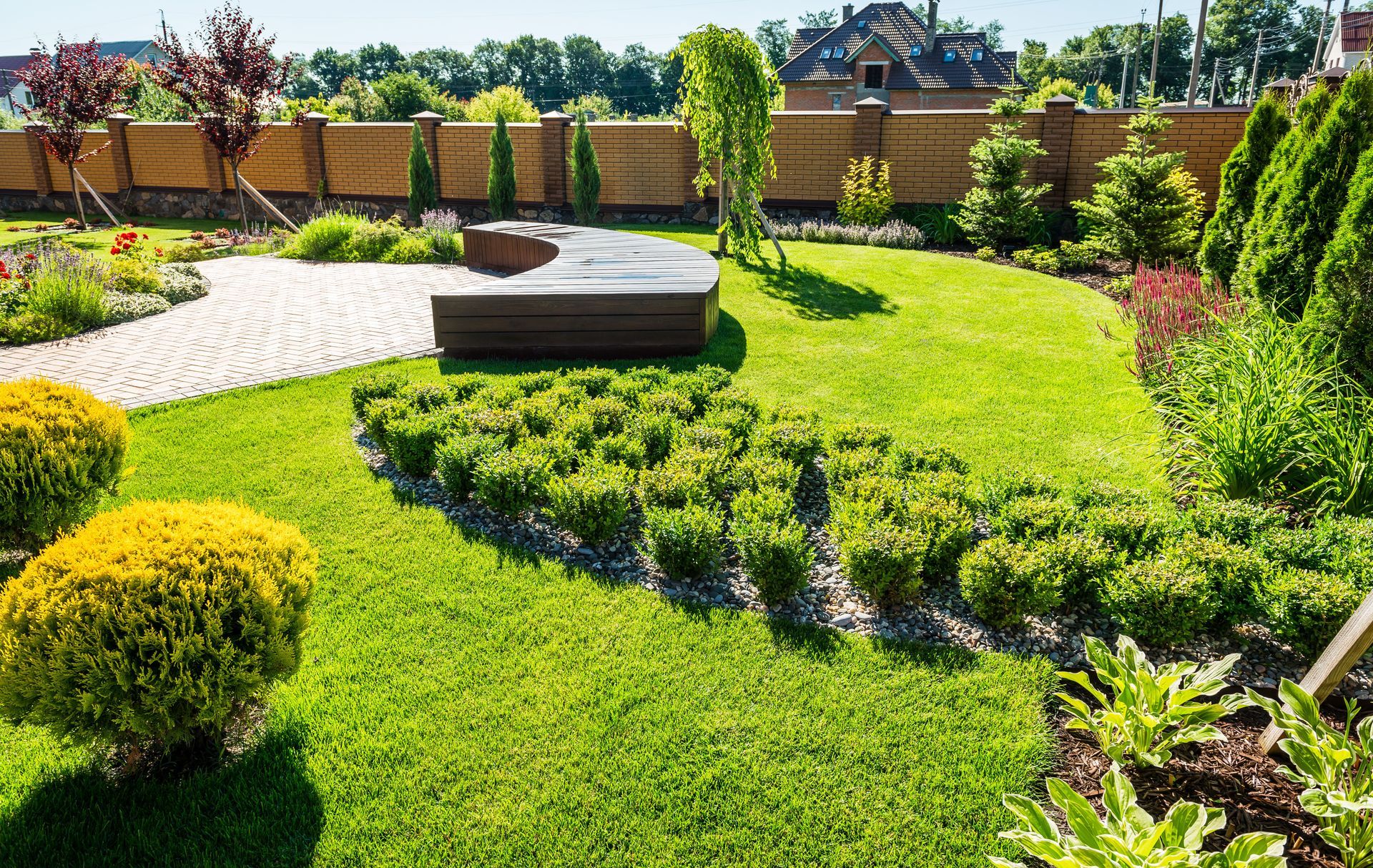
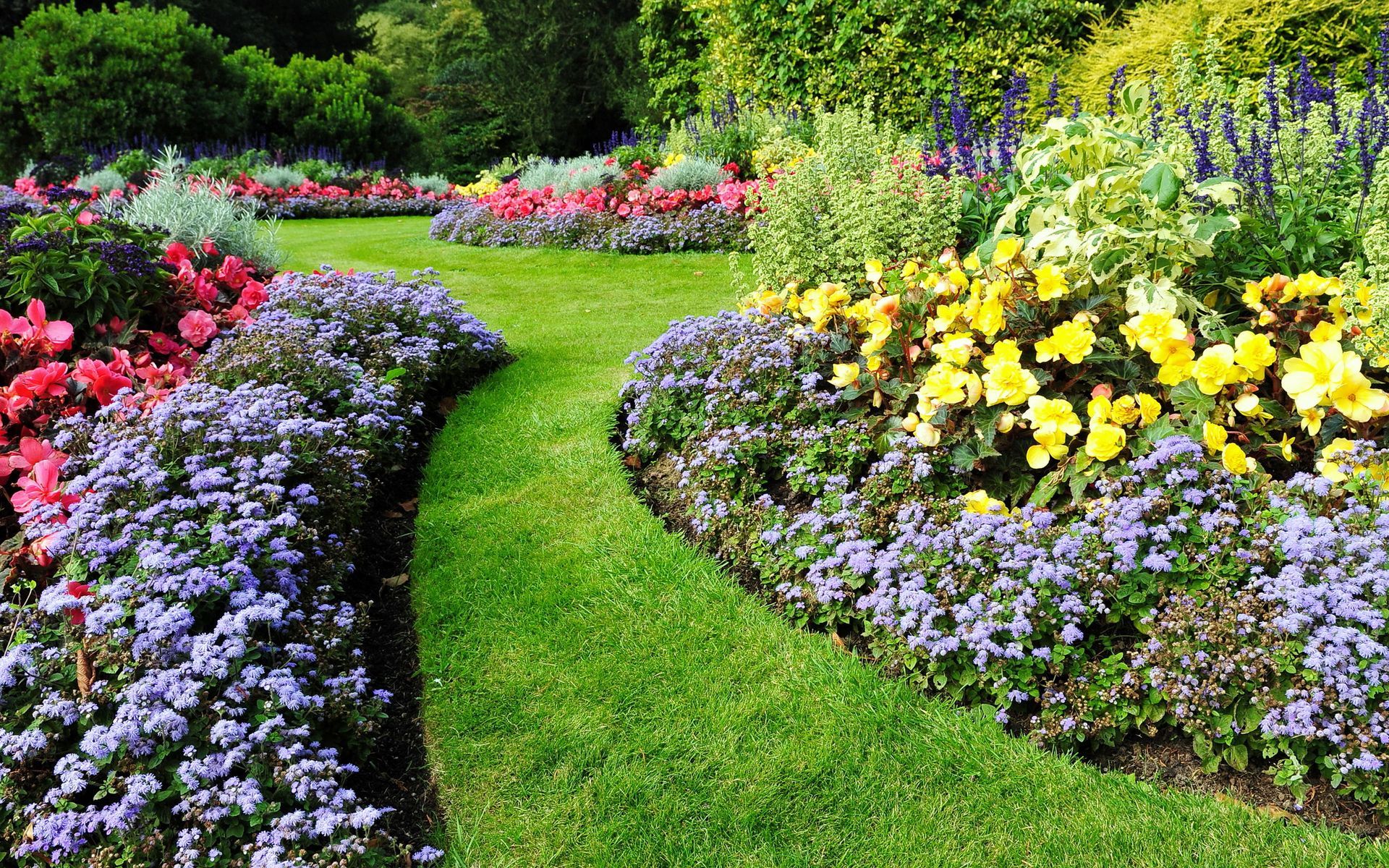
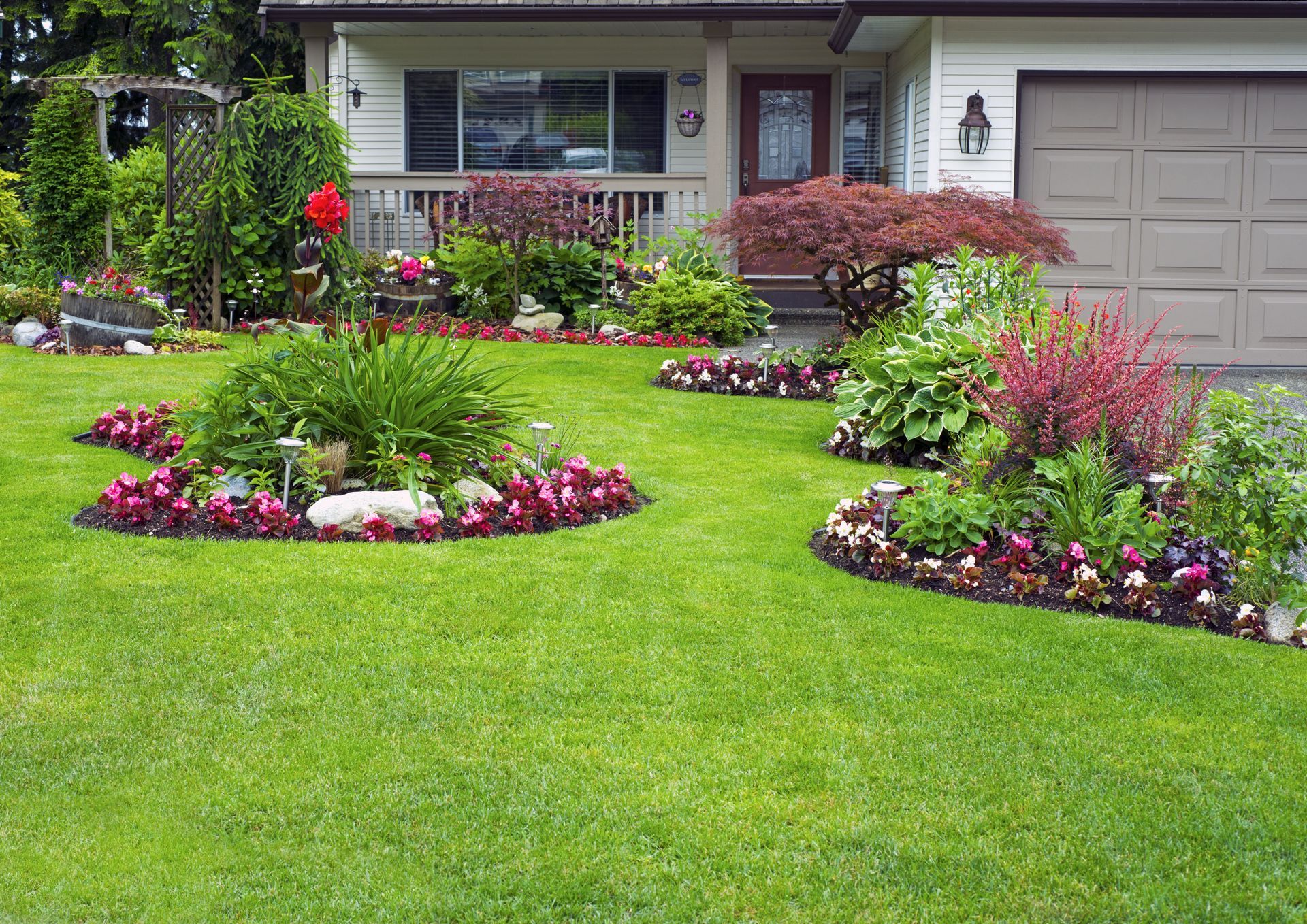
Open properties surrounded by adjacent homes or busy streets can feel exposed, making homeowners reluctant to relax outside. Planting continuous evergreen borders, dense upright hedges, and multi-layered perennial beds creates soft, living walls that screen sightlines naturally. Unlike rigid wooden barriers, botanical buffers filter ambient wind, absorb suburban noise, and bring movement and natural texture to property borders. Layered foliage around an open-air sitting corner gives the space an enclosed, peaceful atmosphere, fostering an environment where residents can unwind in private.
5.2 Integrating Soothing Water Elements to Mask External Noise
Background sounds from traffic, commercial corridors, or neighboring equipment can disrupt open-air spaces. Incorporating bubbling stone fountains, recirculating waterfalls, or small reflection ponds introduces soothing acoustic movement into the landscape. The steady sound of running water masks unwanted urban noise, creating an acoustic buffer around nearby patios and decks. According to HomeGuide, real estate professionals suggest allocating 5% to 15% of a property's total market worth toward landscape enhancements to maximize aesthetic appeal, usability, and property value. Transforming underutilized yards with water elements, stone structures, and tailored planting plans provides an enriching daily sanctuary while supporting the home's broader standing in the neighborhood market.
Uniting Structure and Ecology for Functional Living
Maximizing outdoor space is fundamentally an exercise in harmonizing human comfort with natural terrain. Every acre holds unique opportunities, whether tucked away behind a rocky rise, situated within a quiet forest margin, or resting along an open sunlit field. Resolving complex slopes through masonry terraces, building stone walking paths, correcting poor drainage, and adding layered plant selections allows homeowners to reclaim forgotten property. When thoughtfully executed by experienced
landscaping contractors, these tailored improvements transform underused land into an interconnected sequence of private, welcoming rooms for dining, resting, and hosting gatherings. To explore how an integrated site plan can unlock the hidden potential of your property, contact the design team at John Jay Landscape Design & Construction Ltd today.

Share On: